

Vitamin C Alternatives for Sensitive Skin
Vitamin C Alternatives for Sensitive Skin
When I started building my anti-aging routine, I heard the same advice from every direction: dermatologists, estheticians, my favorite skincare influencers. It didn't matter who I asked — the answer was always the same.
"Just use vitamin C."
So I did. I bought a well-reviewed serum with L-ascorbic acid, the gold-standard, most-studied form of vitamin C, applied it every morning like I was told, and waited to see that famous glow everyone talked about.
Instead, my skin burned.
Not a little tingle — an actual stinging, flushed, angry reaction that left me confused and honestly a little discouraged. If the "best" ingredient in skincare wasn't working for me, what was I supposed to do?

Is Vitamin C for Sensitive Skin a Good Idea? Why Everyone Recommends It (and Why It Can Still Let You Down)
Before I gave up on it completely, I wanted to understand why it's recommended so universally. L-ascorbic acid genuinely earns its reputation — it's one of the most researched antioxidants in skincare, it supports collagen production, and it helps fade the look of dark spots and uneven tone. For a lot of people, it works beautifully.
The catch is in the chemistry. To stay effective, L-ascorbic acid needs a very low pH — around 3 to 3.5 — while healthy skin sits closer to 4.5–5.5. That gap is exactly what disrupts the skin barrier for people like me. It's also notoriously unstable, breaking down quickly when it's exposed to light, heat, or air, which is why so many vitamin C serums oxidize (and lose potency) before the bottle is even empty.
For sensitive, reactive, or barrier-compromised skin, that combination — high acidity plus instability — is often a recipe for redness, stinging, and irritation rather than glow. That's why finding the right vitamin C for sensitive skin means looking past L-ascorbic acid entirely.
Gentle Vitamin C Alternatives for Sensitive Skin
I didn't want to give up on brightening and antioxidant protection altogether — I just needed gentler ways to get there. Here's what I built my routine around, and why each one earns its place.
Magnesium Ascorbyl Phosphate (MAP) & Sodium Ascorbyl Phosphate (SAP) These are still technically vitamin C — just in a gentler form. Instead of the harsh, low-pH structure of L-ascorbic acid, MAP and SAP are stable, near-neutral-pH derivatives that convert into active vitamin C once they're on the skin. What I found genuinely interesting: one stability study found MAP retains over 95% of its potency even after weeks at 40°C, with no pH adjustment needed — L-ascorbic acid, by comparison, starts breaking down almost as soon as it's exposed to light or air. MAP has also been shown to help suppress melanin formation at higher concentrations, which made it feel especially relevant given my own hyperpigmentation risk. I still get antioxidant protection and support for tone and brightness, without the burning.
If you have acne-prone skin, this is worth calling out specifically: dermatologists generally recommend MAP and SAP over L-ascorbic acid for breakout-prone skin, since they're less likely to disrupt an already-compromised barrier. Look for a lightweight, water-based formula rather than anything oil-based, and pairing it with niacinamide (which I get into below) tends to improve tolerability even further — that combination shows up again and again in dermatologist recommendations for calming inflammation and fading post-acne marks without adding new irritation.
Sea Buckthorn This is one of my favorite discoveries — and a genuinely full-circle one. My mom used to treat burns with sea buckthorn extract when I was growing up, and it healed wounds fast enough that I never questioned why. Years later, digging into the research for my own routine, I found out there was real science behind it: sea buckthorn oil is unusually rich in palmitoleic acid (omega-7), a fatty acid that's naturally found in human skin and is specifically studied for its ability to stimulate skin regeneration and wound healing. It also carries a well-balanced mix of alpha-linolenic, linoleic, and oleic acids — the same building blocks your skin's own barrier is made of — which is part of why it's so effective at repairing and reinforcing compromised skin instead of just sitting on top of it.
Beyond the fatty acids, it's a nutrient-dense berry extract packed with close to 200 different compounds, including its own natural vitamin C. It's hydrating and soothing rather than acidic, so it works with a compromised barrier instead of against it — which, given what it did for my mom's burns, made a lot of sense once I understood the chemistry behind it.
DNA Repair Enzymes This is probably the most innovative ingredient in the routine, and worth calling out on its own. Certain microbiome-supportive complexes contain enzymes that help repair the damage free radicals cause at a cellular level — a different mechanism entirely from preventing damage, which is what most antioxidants (including vitamin C) focus on. My gentle vitamin C essence is actually where a lot of this routine comes together in one product — it's formulated with MAP, SAP, sea buckthorn, and these DNA repair enzymes all in one bottle, so protection, repair, and gentle vitamin C are working as a single step rather than four separate ones. Pairing repair with protection felt like closing a loop my old routine was missing.
Mandelic Acid Mandelic acid is an AHA, but its molecule is larger than glycolic or lactic acid, so it penetrates more slowly and gently. That matters a lot for melanin-rich skin specifically — larger, slower-penetrating acids are far less likely to trigger the post-inflammatory hyperpigmentation that faster acids can cause. It still exfoliates, brightens, and evens out tone; it just does it patiently instead of aggressively. (For a deeper look at results, see our guide on mandelic acid before and after results.)
Edelweiss Extract A high-altitude plant extract with roughly double the free-radical-scavenging power of vitamin C, and without the acidity. What makes it so potent comes down to where it grows: edelweiss survives some of the harshest conditions on earth — freezing temperatures, brutal winds, and intense, unfiltered UV exposure at elevation — and it does that by producing its own extra-strong antioxidants (leontopodic and chlorogenic acid among them) just to protect itself. Put that same compound on your skin, and you get a plant that's essentially spent its whole life training against aggressive sun and environmental stress.
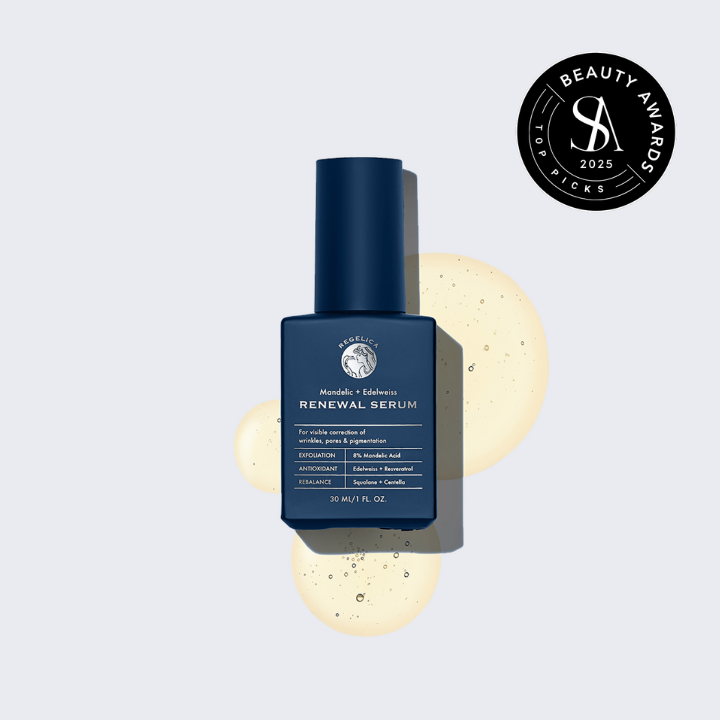
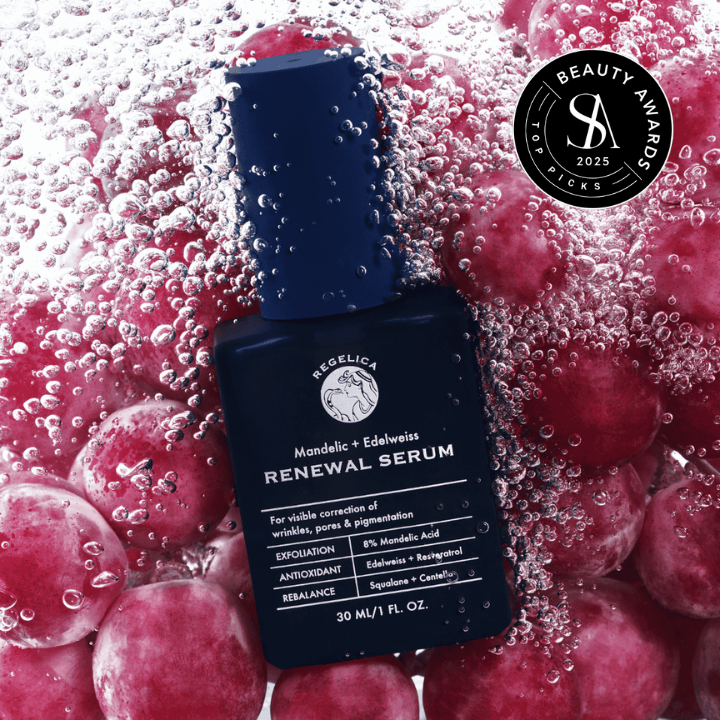
We paired it with mandelic acid in our mandelic acid serum — the gentle exfoliation from mandelic acid helps the edelweiss antioxidants penetrate deeper instead of sitting on the surface, so the two ingredients genuinely make each other more effective. I think of it as quiet backup for environmental protection, doing a lot of the heavy lifting without ever needing to be the loudest ingredient in the routine.
Resveratrol, Centella Asiatica & Tocopherol Three more antioxidants that round out the mandelic acid serum, each doing something slightly different. Resveratrol — the polyphenol famous from red grapes — is a potent free-radical fighter that also helps protect existing collagen from breaking down, and it plays well layered with gentle vitamin C rather than competing with it. Centella asiatica (often called Cica) is a staple in Korean skincare for a reason: it's rich in compounds like madecassoside that calm inflammation and actively support barrier repair, which made it an easy favorite once I started paying attention to how reactive my skin was. And tocopherol — vitamin E — is a lipid-soluble antioxidant that works synergistically with antioxidants, essentially helping regenerate and extend its effectiveness once they're both on the skin, while also protecting cell membranes directly.
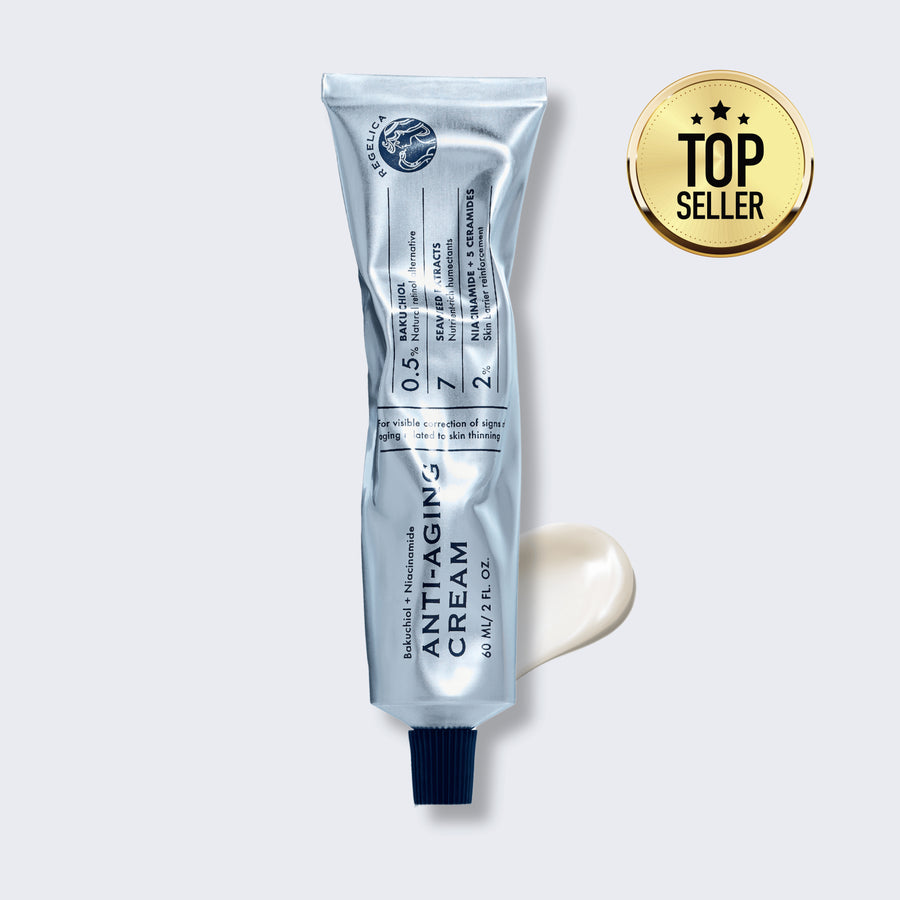
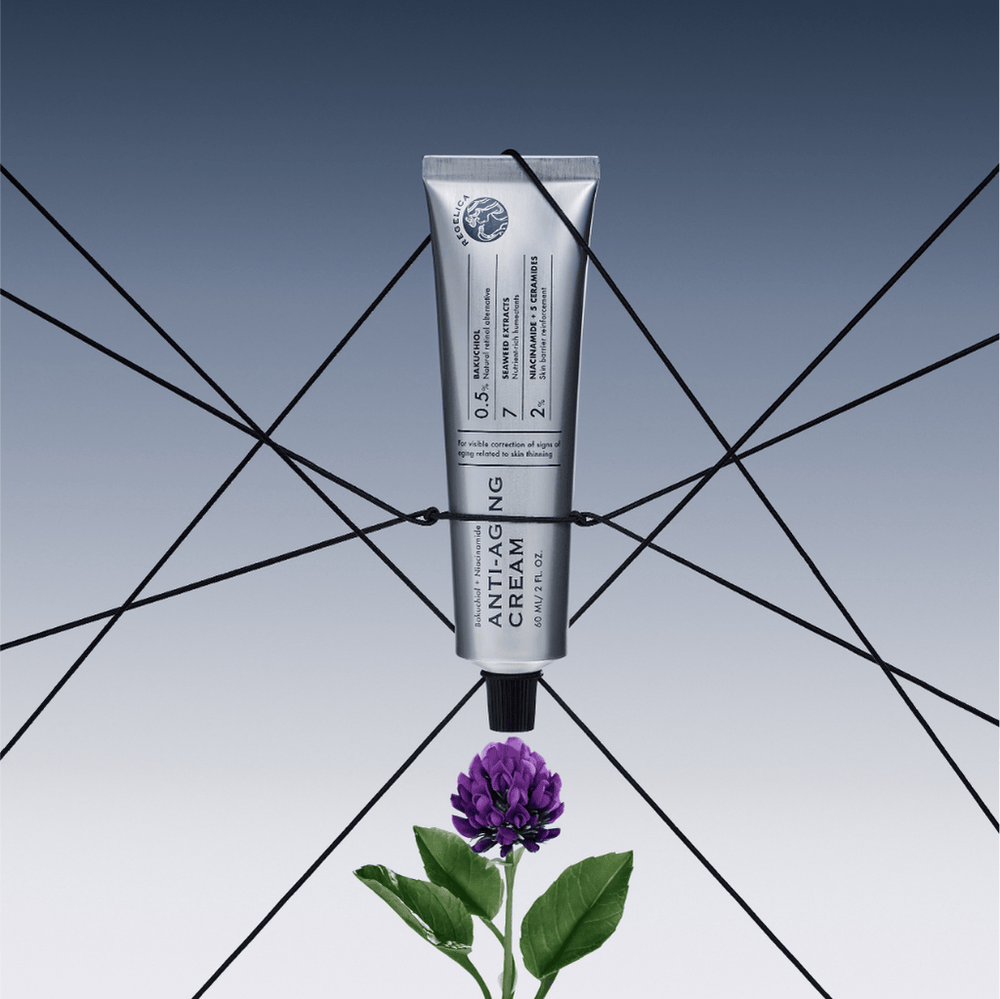
Niacinamide This is one of the two hero actives in my bakuchiol cream. Vitamin B3, and one of the most barrier-friendly actives that exists. Niacinamide doesn't oxidize the way vitamin C does, so it stays stable and effective over time. It strengthens the skin barrier, calms redness and inflammation, refines the look of pores, and evens out tone — basically doing a lot of what vitamin C promises, without asking my skin to tolerate anything acidic.
Bakuchiol The other half of what makes my Cream work. Often called a retinol alternative, bakuchiol has earned a place in my "vitamin C alternative" toolkit too, thanks to its antioxidant and skin-refining properties. It supports collagen and texture without the irritation profile of either retinol or acidic vitamin C. (More on this comparison in Bakuchiol vs. Retinol for Sensitive Skin.)
Why You Should Look for Vitamin C Alternatives
As someone with Asian skin, I have more melanin than a lot of the people recommending vitamin C to me — which also means I'm more prone to hyperpigmentation. (I've written more about how Korean and Western skincare philosophies differ on this, if you're curious.) Every irritation, every micro-injury from a too-harsh active, has a higher chance of turning into a stubborn dark spot that sticks around for months. So the stakes of using the wrong ingredient weren't just discomfort — they were literally new pigmentation I'd have to deal with later.
It's worth saying out loud: this isn't a niche problem. Between rising stress levels, environmental pollution, and increasingly harsh weather swings, sensitive skin, rosacea, and dermatitis all seem to be showing up more than ever — a lot of us are dealing with a compromised barrier whether we'd call ourselves "sensitive skin people" or not. So if you're in that boat, my findings here might be genuinely useful, not just anecdotal.
Individually, I know none of these ingredients hits quite as hard as pure L-ascorbic acid. That's the honest trade-off. But here's what I found after being consistent with all of them together, layered into a real routine, and — just as importantly — never skipping sunscreen: I didn't get new spots. And when I look at my skin now versus a year ago, I can genuinely see less of the collagen loss I was starting to notice before.
It turns out I didn't need the single strongest ingredient. I needed a combination my skin could actually tolerate every single day, protected consistently from the sun — because an active you have to use sparingly, or one that sets off a flare-up, isn't actually doing its job.
Ready to see what this looks like in a real routine? Start with the Daily Essentials Set, or browse our full Skincare for Sensitive Skin collection →